


Why People Move: Top 7 Reasons to Relocate in 2026
People move primarily to accommodate life changes like growing families, career shifts, or downsizing for retirement. Additionally, economic factors such as interest rates, housing affordability, and a desire for better amenities or school districts often drive the decision to relocate to a new property or community.
Why do people move to a new home?
The decision to pack up a lifetime of memories and relocate is rarely a simple one. It is often the culmination of months, or even years, of deliberation. In the current Illinois real estate market, we see a diverse array of motivators. For some, it is the pull of a new professional opportunity; for others, it is the push of a living space that no longer fits their physical or emotional needs. Understanding these triggers is essential whether you are a buyer looking for your dream home or a seller trying to time the market.
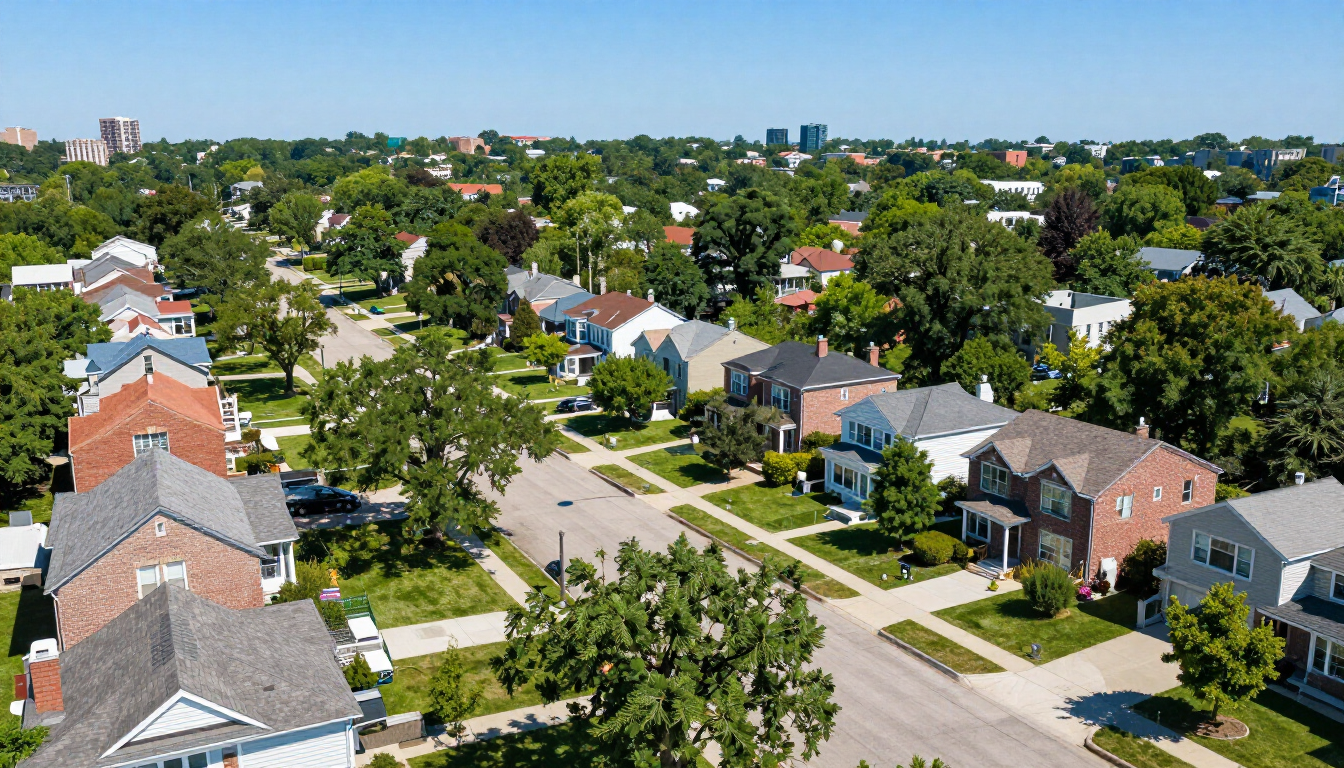
Relocation is fundamentally about alignment. When a person’s current environment no longer aligns with their goals, health, or financial status, the momentum for a move builds. In the West Suburbs of Chicago, we see a specific trend of people seeking more space and better community resources while maintaining proximity to the city's economic engine. This balance of urban accessibility and suburban comfort remains a primary driver for many families and young professionals alike.
Core Lifestyle Triggers for Moving
- Growing a family and needing additional bedrooms.
- Downsizing after children leave the nest (empty nesters).
- Seeking a safer or more quiet neighborhood environment.
- Desiring better school districts for educational advantages.
- Moving closer to aging family members for support.
How does a career change impact your living situation?
Career transitions remain one of the most consistent reasons for relocation. When a professional accepts a new role in a different city or state, the housing search usually follows immediately. However, the nature of this move has shifted significantly in recent years. While traditional corporate relocations still occur, the rise of remote and hybrid work models has rewritten the rules. People are no longer strictly tethered to a specific office building, allowing them to prioritize lifestyle over commute times.
In the West Suburbs of Chicago, we have seen an influx of residents who formerly lived in the city center. These individuals often seek dedicated home offices, larger yards, and a slower pace of life, all while knowing they only need to commute to the Loop once or twice a week. This shift has increased the demand for homes that feature flexible floor plans and high-speed connectivity. If you are navigating a job change, our Services can help you identify properties that cater specifically to the modern professional’s needs.
Primary Economic Factors Influencing the Decision to Relocate
Beyond personal life events, the macro-economic environment plays a massive role in why and when people move. Interest rates are perhaps the most discussed factor. When rates are low, buyers are incentivized to upgrade their living situation because their purchasing power is higher. Conversely, when rates rise, many homeowners may feel "locked in" to their current low-interest mortgages, which can temporarily slow down the moving cycle. However, even in high-rate environments, the necessity of a move often outweighs the cost of financing.
Home equity is another significant driver. Long-term homeowners in Illinois have seen substantial appreciation in property values over the last decade. This equity can be leveraged to purchase a more expensive home or to transition into a luxury retirement community. Understanding your current home's value is the first step in this process. A Comparative Market Analysis (CMA) is a vital tool for sellers to understand exactly how much purchasing power they have stored in their current residence.
Economic Motivators to Watch
- Changes in local property tax rates.
- Fluctuations in the regional job market and industry growth.
- High levels of accumulated home equity for reinvestment.
- Availability of government-backed first-time buyer programs.
- Shift in cost of living between different geographic regions.
Why is the West Suburbs area of Chicago attracting movers?
The West Suburbs of Chicago offer a unique value proposition that is hard to replicate elsewhere in Illinois. Towns like Naperville, Wheaton, and Glen Ellyn provide a blend of historical charm, top-tier public education, and robust local economies. People are moving here because they want the "best of both worlds." They want the cultural amenities of a major metropolitan area combined with the safety, space, and community feel of a established suburb.
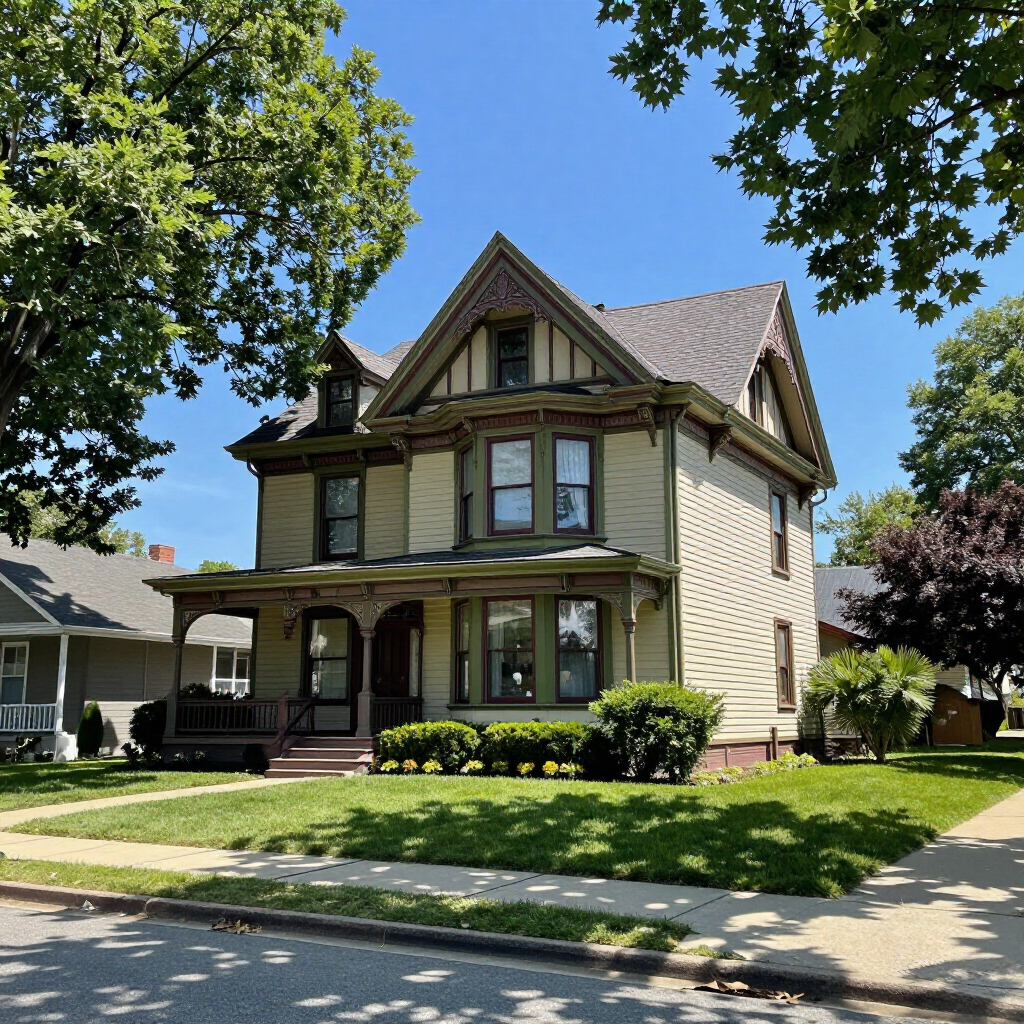
For those who are ready to Find a Home , the variety in this region is impressive. From historic Victorian homes to brand-new construction, the architectural diversity reflects the area's growth over the decades. The move to the suburbs is often driven by a desire for a sense of belonging. The local parks, community festivals, and downtown shopping districts create an environment where residents feel connected to their neighbors. This social infrastructure is a powerful magnet for those tired of the relative anonymity of big-city living.
Financial Considerations Before a Major Move
Before you start browsing listings, it is imperative to conduct a thorough financial health check. Moving involves more than just a down payment. You must account for closing costs, moving company fees, potential renovations, and the adjustment in monthly utility costs. In Illinois, property taxes are a specific consideration that varies by county and municipality. Working with a professional who has Local Market Expertise ensures you are not caught off guard by these regional nuances.
Furthermore, investors are moving into the market for different reasons. They are looking for rental yields and long-term capital appreciation. The West Suburbs have historically shown resilience in property values, making them a favored spot for residential real estate investment. Whether you are moving for personal reasons or to grow a portfolio, the financial structure of the deal remains the foundation of a successful transition.
Essential Financial Steps for Movers
- Securing a pre-approval letter from a reputable lender.
- Budgeting for hidden costs like inspections and appraisals.
- Reviewing the last three years of property tax history.
- Evaluating the potential ROI of minor home improvements.
- Consulting with a tax professional regarding capital gains.
Are you ready to start your next chapter?
Understanding why people move is the first step in recognizing if a move is right for you. Whether you are driven by the need for more space, a new job, or a desire to be closer to loved ones, the process should be handled with care and professional guidance. The Illinois real estate market is dynamic, and having a dedicated partner can make the difference between a stressful transition and a seamless one. If you are contemplating a change, exploring Testimonials from others who have made the leap can provide valuable perspective.
The motivations for moving are as diverse as the people themselves. While the logistics can be complex, the outcome—a home that perfectly fits your current life stage—is well worth the effort. From the initial market analysis to the final signature at the closing table, every step is an opportunity to move closer to your goals. Let's work together to ensure your next move is your best one yet.
Key Takeaways for Your Next Move
- Evaluate Your Life Stage: Determine if your current home still meets your physical and emotional needs.
- Analyze the Market: Use local expertise to understand pricing trends in the West Suburbs of Chicago.
- Financial Readiness: Ensure your credit, savings, and equity are positioned for a competitive offer.
- Professional Support: Leverage strategic marketing and negotiation services to maximize your results.
- Timing is Key: Align your move with career changes or school schedules for the smoothest transition.
If you have questions about the current market or need a professional valuation of your property, please feel free to Contact Us today. We are here to help you navigate every aspect of the Illinois real estate landscape with confidence.