Light vs. Dark Floors: Which is Best for Your Home?

August 12, 2026

Choosing between light vs. dark floors depends on your home’s size, lighting, and lifestyle. Light floors make rooms feel larger and hide scratches effectively, while dark floors offer a dramatic, high-end aesthetic. Both impact resale value, so the best choice balances personal preference with practical daily maintenance needs.

What are the main differences between light and dark floors?

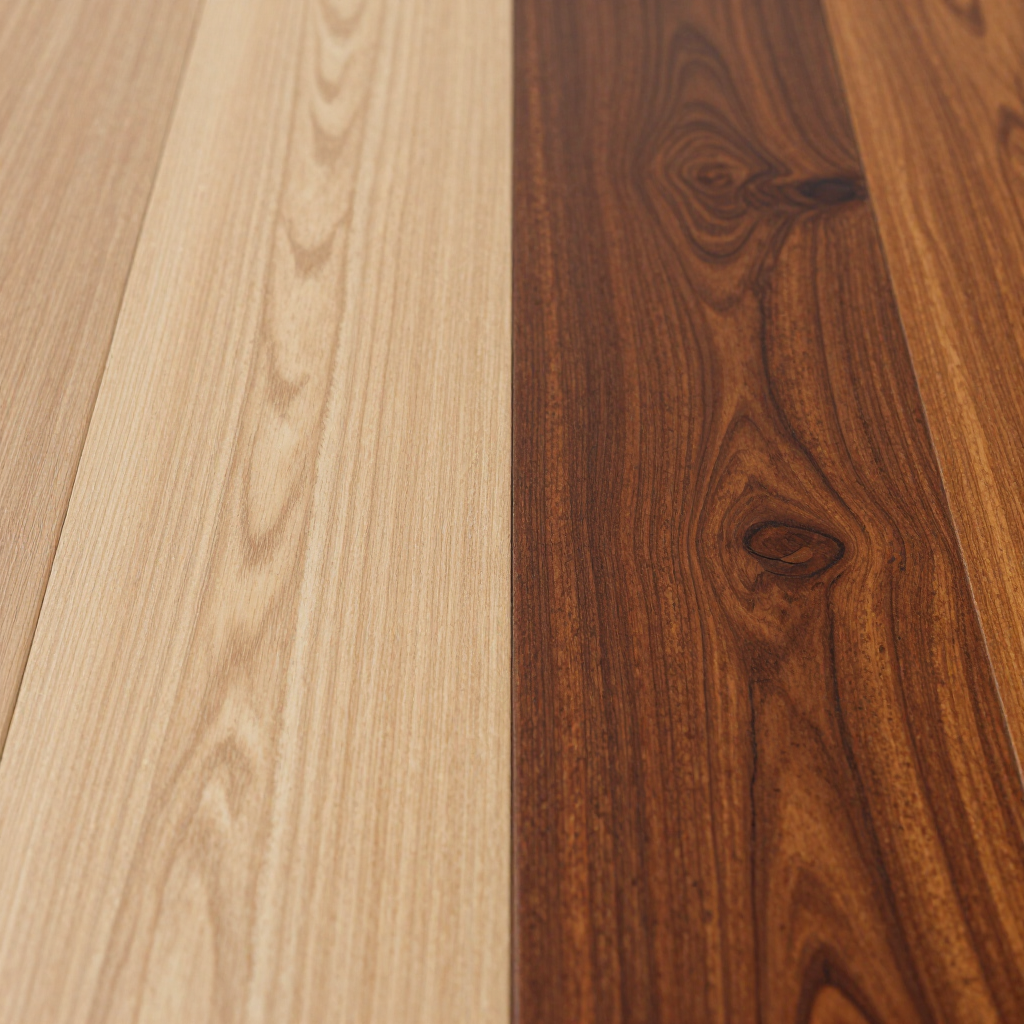
When homeowners in the West Suburbs of Chicago begin the process of updating their interiors, one of the most significant decisions they face is the color of their flooring. The choice between light vs. dark floors isn't merely a matter of color; it dictates the entire atmosphere of a room. Light floors, ranging from blonde oaks to light grays, act as a neutral canvas that reflects light and opens up a space. Conversely, dark floors, such as walnut, espresso, or dark mahogany, provide a grounded, sophisticated look that adds warmth and contrast.

From a technical perspective, the primary differences lie in light reflectance and visibility of debris. Light colors have a higher Light Reflectance Value (LRV), meaning they bounce sunlight and artificial light around the room, which can make a small Illinois bungalow feel significantly more spacious. Dark floors absorb light, which can make a room feel cozy and intimate, but may also require more strategic lighting to prevent the space from feeling cave-like. Furthermore, the visibility of dust, pet hair, and footprints varies wildly between the two. Darker stains tend to highlight lighter-colored debris, while lighter stains are more forgiving of daily wear.

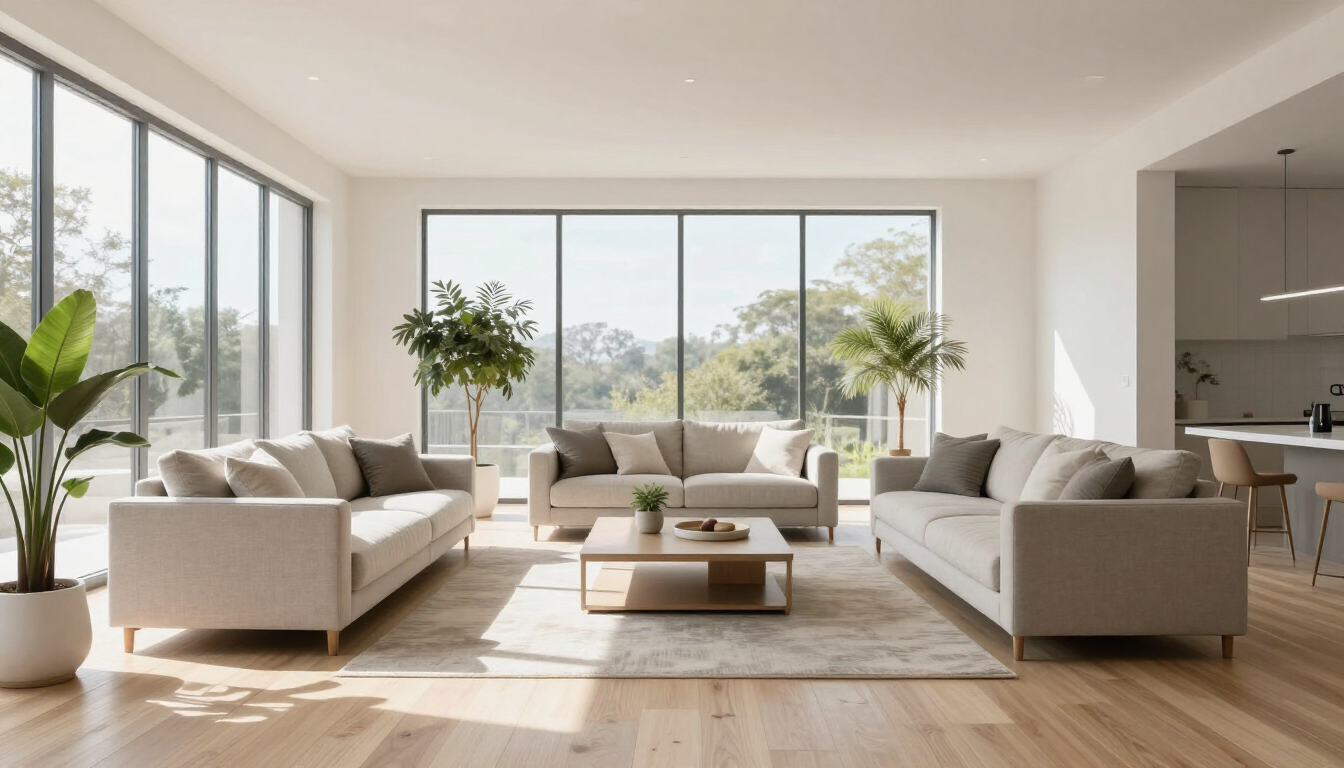
Modern living room with light oak floors

Advantages and Disadvantages of Light Flooring

Light flooring has surged in popularity recently, particularly with the rise of Scandinavian and modern farmhouse aesthetics. If you are looking to find a home or renovate your current one, understanding the functional benefits of lighter tones is essential.

The Pros of Light Floors:

  • Spacial Perception: They make smaller rooms appear larger and more open.
  • Camouflage: Lighter wood grains and stains hide dust, pet hair, and small scratches more effectively than dark ones.
  • Versatility: They complement a wide range of furniture styles and wall colors without clashing.
  • Cooling Effect: In bright sunlight, light floors stay cooler to the touch compared to dark surfaces.
  • Modern Appeal: They align with current design trends that prioritize airy, minimalist environments.

The Cons of Light Floors:

  • Visible Dirt: While they hide dust, they can show dark mud or spills more easily.
  • Lack of Drama: Some homeowners find lighter floors to be less "luxurious" or "formal" than deep wood tones.
  • Fading: Very light natural woods may yellow over time if exposed to constant direct UV rays from large windows.

Why choose dark flooring for your Illinois home?

Dark floors have long been associated with luxury and timeless elegance. In many of the historic homes throughout the Chicago suburbs, deep-toned hardwoods are a staple of traditional design. Choosing dark flooring is often a stylistic choice intended to create a sense of permanence and sophistication. When properly balanced with light walls and area rugs, dark floors can create a stunning visual contrast that makes furniture and decor "pop."

In our local Illinois market, dark floors are often seen in formal dining rooms, libraries, and master suites. They provide a sense of warmth during the cold winter months, making a home feel like a sanctuary. However, dark floors do require a more disciplined cleaning schedule. Because they are dark, every speck of white dust or light-colored pet dander stands out. This is a crucial consideration for busy families or those with shedding pets.

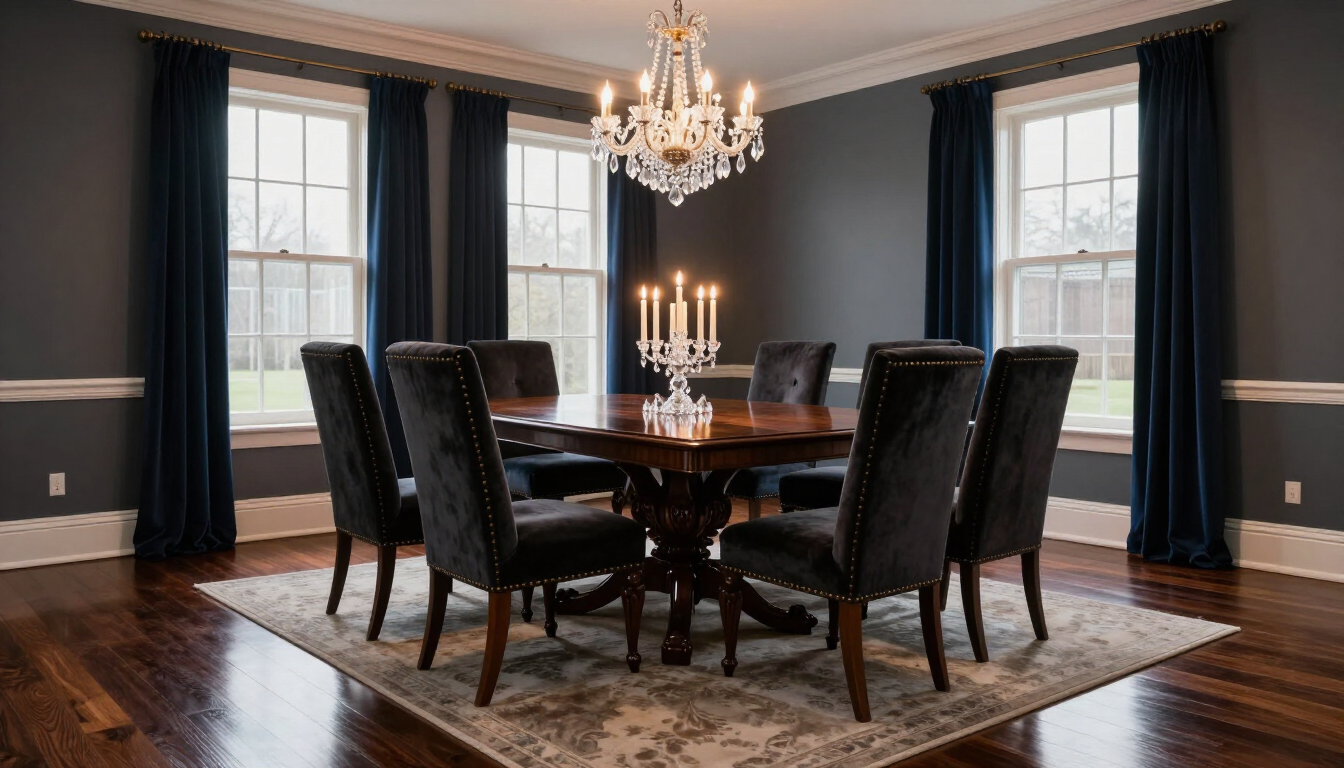
Elegant dining room with dark walnut floors

The Pros of Dark Floors:

  • High Contrast: They provide a beautiful foundation for light-colored furniture and rugs.
  • Timeless Luxury: Dark wood has a classic appeal that rarely goes out of style.
  • Hides Gaps: Darker stains can help hide the natural expansion and contraction gaps that occur in wood during Illinois' seasonal shifts.
  • Warmth: They create a cozy, grounded atmosphere in large, open-concept spaces.

The Cons of Dark Floors:

  • Maintenance: They show every bit of dust, hair, and even footprints from bare feet.
  • Scratch Visibility: Scratches that penetrate the stain layer often reveal the lighter natural wood underneath, making them very obvious.
  • Light Absorption: They can make a poorly lit room feel too dark or small if not balanced correctly.

Which flooring is best for high-traffic areas and pets?

When evaluating light vs. dark floors for a household with high traffic or pets, practical considerations often outweigh aesthetics. If you have a golden retriever that sheds light hair or children who frequently track in dirt, light flooring is generally the superior choice. The natural grain patterns in lighter wood, like white oak or maple, are incredibly forgiving. Scratches from pet claws tend to blend into the lighter color, whereas on a dark espresso floor, those same scratches would look like bright white lines.

For those who insist on the look of dark floors but have a high-traffic lifestyle, there are compromises. Choosing a "wire-brushed" or distressed finish can help mask imperfections. Additionally, selecting a matte or satin finish rather than a high-gloss finish will significantly reduce the visibility of footprints and dust. If you are preparing to list with me, I often recommend a mid-tone or a satin-finished light wood to ensure the home looks pristine for every showing without requiring a cleaning crew daily.

Impact on Resale Value and Market Appeal

In the real estate market, flooring is one of the first things a buyer notices. The choice between light vs. dark floors can actually influence how quickly a home sells. Currently, lighter, wide-plank wood floors are in extremely high demand. They appeal to the widest demographic because they make homes look "move-in ready" and "fresh." Buyers often perceive light-filled, airy homes as being better maintained and more modern.

However, dark floors still hold significant value in high-end, luxury listings. In traditional or colonial-style homes, dark floors are expected and often preferred by buyers looking for a classic aesthetic. The key is consistency. If you are considering services for a home renovation before selling, it is vital to choose a flooring color that fits the architectural style of the home. Mixing too many different floor colors can make a house feel disjointed, which can negatively impact the overall valuation during a Comparative Market Analysis (CMA).

Flooring samples comparison

Summary of Light vs. Dark Flooring

Ultimately, the decision between light vs. dark floors comes down to a trade-off between the high-maintenance elegance of dark wood and the airy, forgiving nature of light wood. Light floors are ideal for maximizing space and hiding daily wear, making them perfect for active families and modern designs. Dark floors offer a sophisticated, cozy atmosphere that works beautifully in formal settings but requires more frequent cleaning to stay looking sharp.

Key Takeaways:

  • Light floors make rooms look bigger and are easier to keep looking clean.
  • Dark floors offer a luxurious, high-contrast look but show dust and scratches easily.
  • Mid-tone floors are a great compromise if you can't decide between the two extremes.
  • Finish matters: A matte finish is more practical than gloss for both light and dark options.
  • Consider your pets: Light floors are almost always better for hiding pet hair and claw marks.

If you are planning a renovation or looking to buy a home with specific features in the West Suburbs, my local market expertise can help you make the right choice. Whether you are curious about about me and my approach to real estate or need a professional valuation, I am here to guide you through every step of your real estate journey.

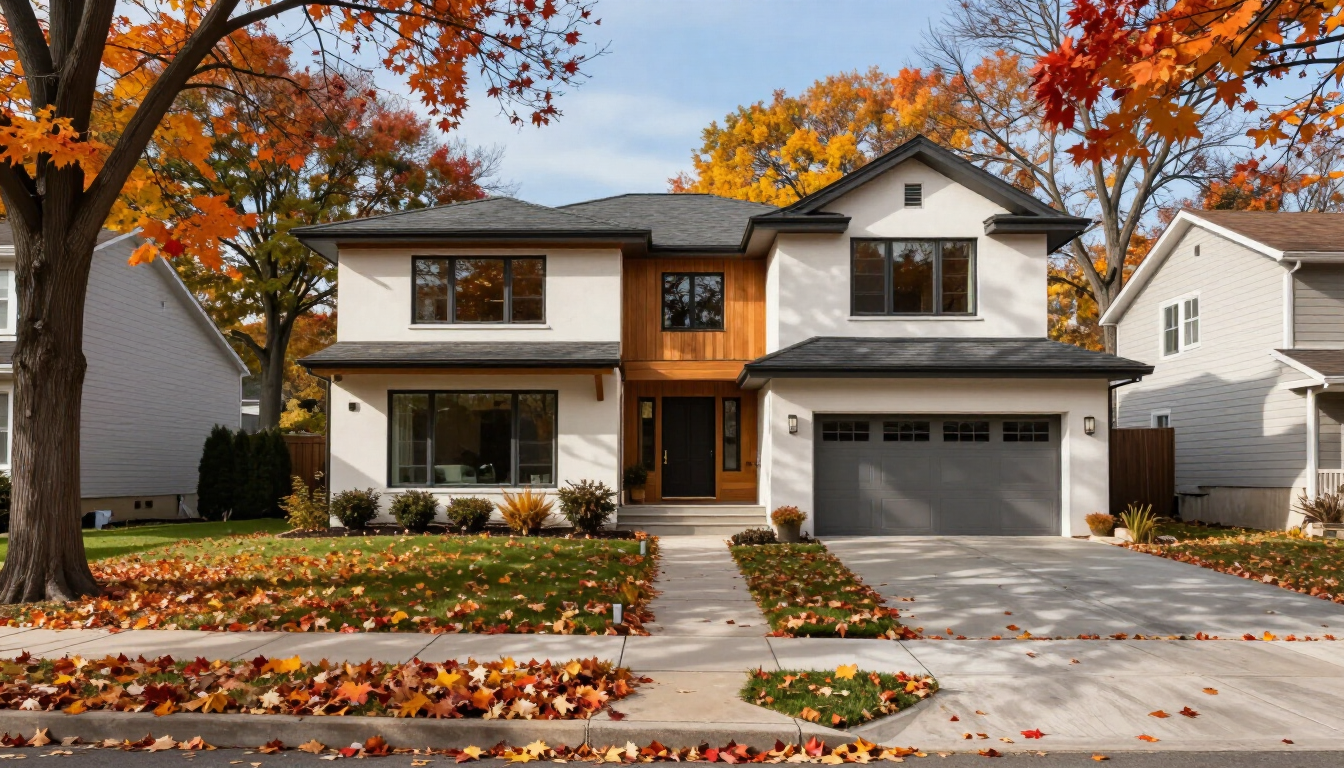
A beautiful suburban home in the Chicago West Suburbs showing high-value exterior features.
August 6, 2026
Learn which home features increase value in Chicago's West Suburbs, from outdoor spaces to mudrooms, to maximize your sale.
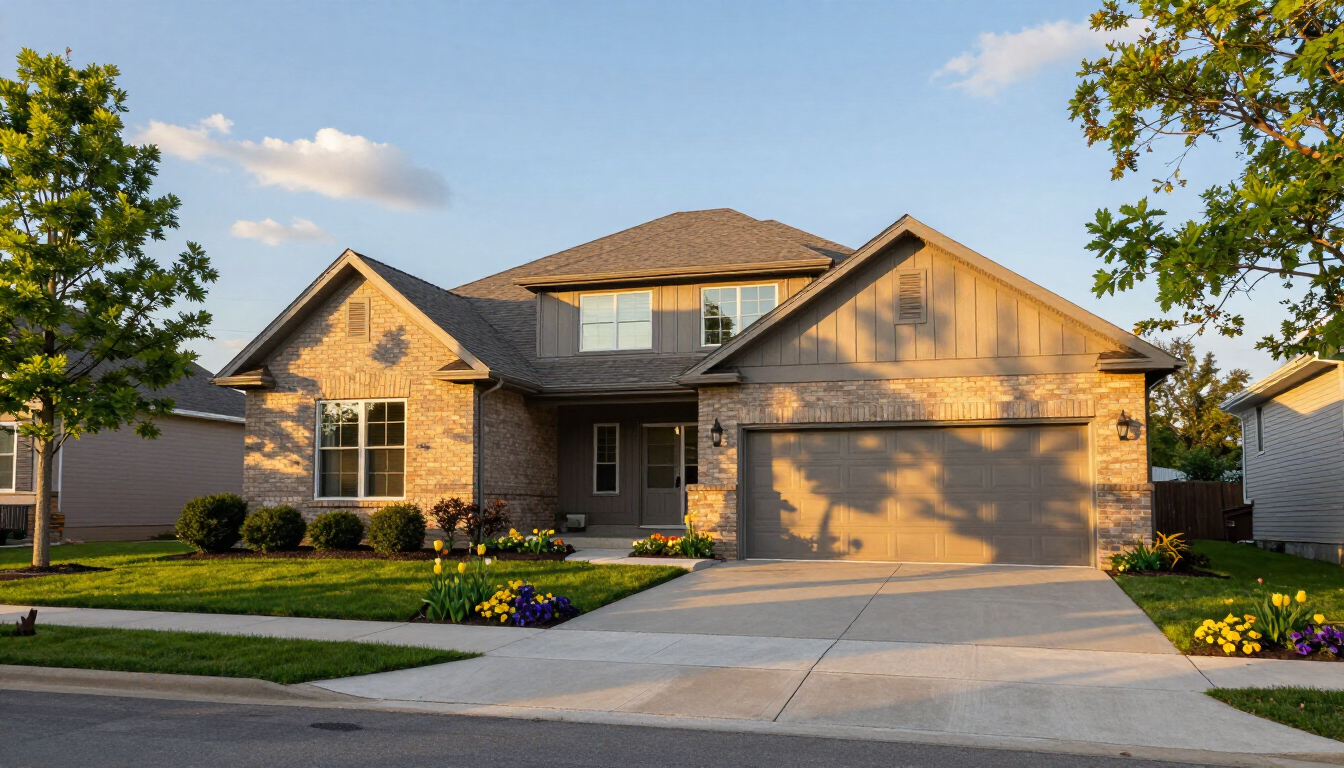
Modern Illinois home exterior at sunset
July 22, 2026
Analyze 136 years of housing market data to decide if you should wait to buy a house. Learn about timing risks and Illinois real estate trends in 2026.
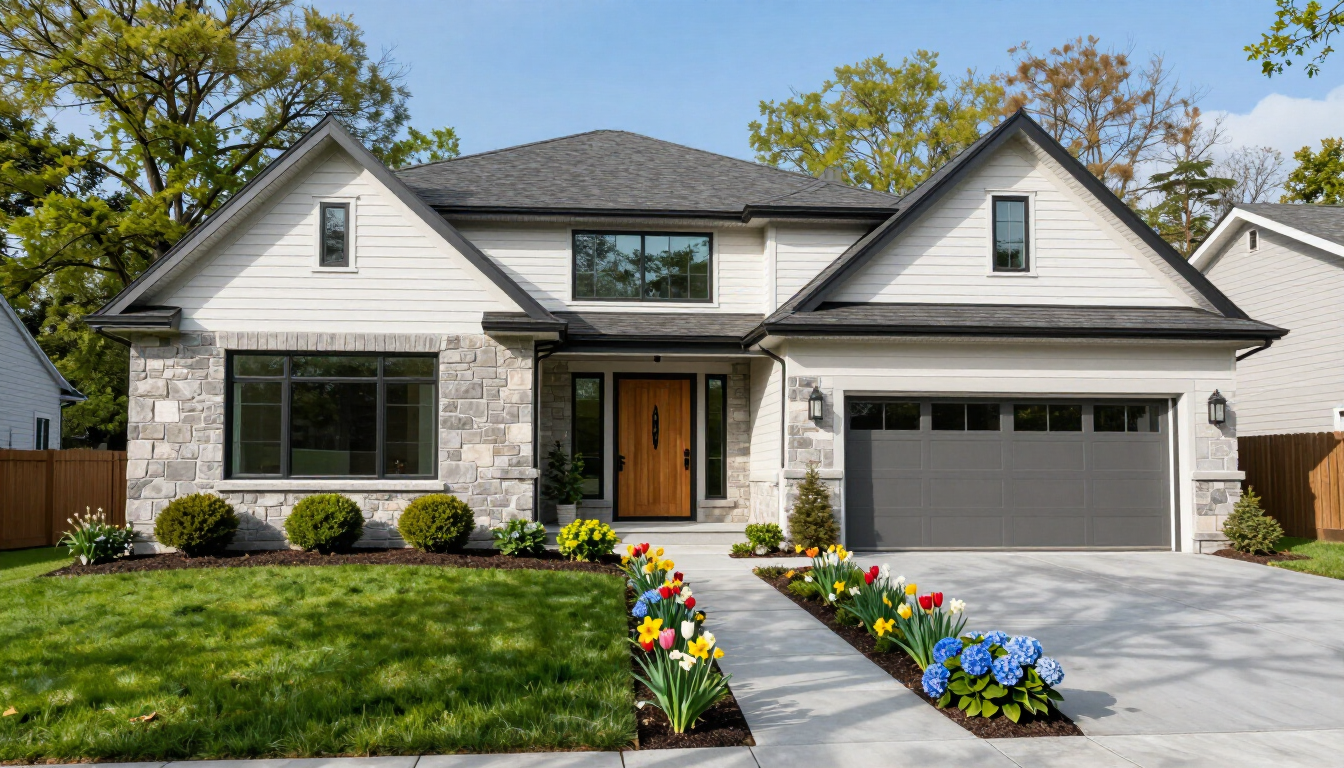
Suburban home with high curb appeal in Illinois
July 17, 2026
Learn how to upgrade curb appeal on a budget with these 7 practical tips. From landscaping to paint, discover how to boost your Illinois home's value today.
By sapphire-user-51763 June 28, 2026
Latest News Affecting Illinois Real Estate in 2026 

A scenic view of the Naperville Riverwalk during a sunny summer day.
June 23, 2026
Explore the best summer activities in Naperville, IL, from the Riverwalk to Centennial Beach. Get expert local insights and summer real estate tips here.

Stylish outdoor seating area with modern furniture and lighting.
June 18, 2026
Explore the best outdoor seating ideas to transform your patio or deck. Learn how to choose durable materials and create a stylish outdoor living space in Illinois.

A beautiful historic home in the Fox Valley Tri-City area of Illinois.
June 10, 2026
Discover if the Fox Valley real estate market is the right choice for your next home. Explore trends, city comparisons, and investment potential in St. Charles, Geneva, and Batavia.
Chicago mortgage affordability concept
June 4, 2026
Analysis of Chicago area mortgage affordability in June 2026. Learn about interest rates, inventory, and home buying tips for Illinois residents.