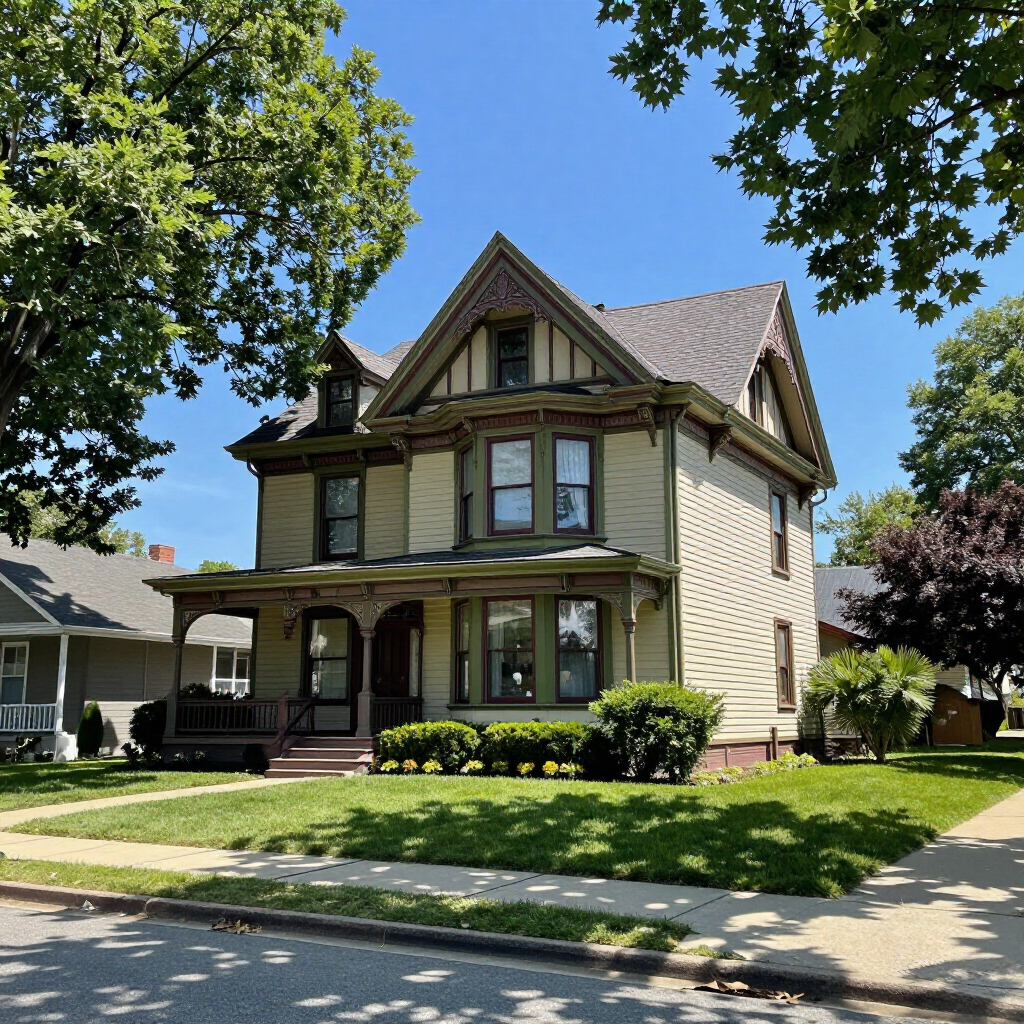


Chicago Area Mortgage Affordability: June 2026 Insights
Chicago area mortgage affordability in June 2026 is defined by stabilized interest rates and a seasonal increase in suburban inventory. While higher than historical averages, affordability remains accessible for buyers who utilize professional market analysis, strategic down payment planning, and competitive local lending programs in the West Suburbs.
How affordable is a mortgage in the Chicago area right now?
As we navigate the midpoint of 2026, the landscape of Chicago area mortgage affordability presents a complex but navigable environment for prospective homeowners. Unlike the volatile swings seen in previous years, the current market has entered a period of relative equilibrium. Affordability is no longer just a reflection of the interest rate; it is increasingly tied to the specific micro-markets within the Illinois region. For instance, the West Suburbs have seen a steady influx of listings, which has helped to temper the rapid price appreciation that previously sidelined many first-time buyers. However, the cost of borrowing remains the primary variable for most households, requiring a disciplined approach to budgeting and a deep understanding of local tax implications.
To effectively find a home in this climate, buyers must look beyond the sticker price. Total monthly obligations, including principal, interest, taxes, and insurance (PITI), have shifted due to recent reassessments in various Illinois counties. In June, we typically see the highest volume of transactions, which can lead to increased competition. This competition often necessitates higher down payments or more aggressive offer structures to maintain affordability in the long run. By securing a pre-approval from a local lender who understands the nuances of the Chicago market, buyers can move quickly when the right opportunity arises, ensuring they do not lose out to rising costs during the search process.
Primary Factors Driving Housing Costs in June 2026
Understanding the drivers of affordability requires a look at both macro-economic trends and hyper-local data points. In the Chicago metropolitan area, several key factors are currently influencing the total cost of homeownership:
- Inventory Resilience : A 15% increase in new listings compared to January has provided more options, reducing the likelihood of extreme bidding wars.
- Property Tax Adjustments : Recent legislative updates in Illinois have impacted the effective tax rates in several suburban townships.
- Employment Stability : Strong corporate presence in the Chicago loop and surrounding tech hubs maintains high demand for quality housing.
- Construction Costs : The price of new builds continues to set a ceiling for the resale market as material costs stabilize.
- Lender Incentives : Many regional banks are offering specialized programs for first-time buyers to offset higher standard rates.
What are the current mortgage rate trends in Illinois?
Mortgage rates in Illinois for June 2026 have shown a trend of "plateauing," which provides a sense of predictability that was missing in the early 2020s. While we are not seeing the sub-3% rates of the past, the current environment allows for more traditional financial planning. Most lenders are currently hovering around a range that reflects the Federal Reserve's commitment to inflation control, meaning that small fluctuations are common based on weekly economic data releases. For a buyer in the West Suburbs, this means that timing your application can result in significant long-term savings. Even a quarter-point difference in a mortgage rate can translate to tens of thousands of dollars over the life of a 30-year loan.
When evaluating services related to home financing, it is essential to consider the variety of loan products available. Fixed-rate mortgages remain the gold standard for stability, but we are seeing a resurgence in adjustable-rate mortgages (ARMs) with longer initial fixed periods. These can be attractive for buyers who plan to relocate or refinance within seven to ten years. Additionally, Illinois-specific programs, such as those offered by the Illinois Housing Development Authority (IHDA), continue to provide vital support for those who meet specific income and credit criteria. Navigating these options requires a dedicated professional who can provide a comparative market analysis to ensure your investment aligns with your long-term financial goals.
Regional Market Performance in the West Suburbs
The West Suburbs of Chicago, including communities like Naperville, Wheaton, and Glen Ellyn, continue to be a focal point for families and professionals seeking balance. In June 2026, these areas are experiencing a "healthy" market—one where sellers are receiving fair value and buyers have sufficient time to conduct due diligence. Affordability here is often higher than in the city core when considering square footage and school district quality, though the entry price point remains elevated compared to more rural parts of the state. Investors are also finding value in multi-family units in these corridors, as the rental market remains robust, providing a hedge against mortgage costs through rental income.
How does debt-to-income ratio affect your buying power?
Your debt-to-income (DTI) ratio is perhaps the most critical metric used by lenders to determine your Chicago area mortgage affordability. In 2026, lenders have tightened their requirements slightly to ensure long-term market stability. Generally, a DTI of 36% or lower is preferred, though some programs allow for up to 43% or even 50% with compensating factors like high credit scores or significant cash reserves. To maximize your buying power in the current market, it is advisable to reduce revolving debt, such as credit card balances and auto loans, at least six months prior to starting your home search. This not only improves your DTI but can also boost your credit score, qualifying you for lower interest rates.
Calculating your affordability should be an honest assessment of your lifestyle. While a bank might approve you for a certain amount, the "Chicago reality" includes seasonal utility costs, commuting expenses, and the occasional unplanned home repair. When I work with clients to list with me or buy a new property, we look at the holistic financial picture. We examine how a specific mortgage payment fits into a broader wealth-building strategy. By keeping your housing costs within a manageable percentage of your take-home pay, you ensure that your home remains an asset rather than a financial burden, regardless of future market shifts.
Is June the best time to lock in a mortgage rate?
June is traditionally a high-activity month in the Illinois real estate cycle, but is it the best time for your mortgage? The answer depends on your specific closing timeline. Locking in a rate in June often means you are looking to move before the new school year begins, a common goal for many suburban families. Because demand is high, lenders are often at their busiest, which can lead to slightly longer processing times. However, the mid-year economic data often provides a clear signal of where the market will head in the fall. If the data suggests a potential rate hike in the third quarter, locking in June could save you a significant amount on your monthly payment.
Strategic buyers often use a "float down" option, which allows them to lock in a current rate while maintaining the ability to take advantage of lower rates if they drop before closing. This provides a safety net in a fluctuating environment. Furthermore, June offers the best opportunity to see properties in their prime condition, with landscaping and exteriors fully visible. This transparency can prevent the "hidden costs" of homeownership that sometimes appear after a winter purchase, thereby protecting your overall affordability and ensuring your maintenance budget is accurately projected from day one.
Professional Negotiation Strategies for Today’s Buyers
In a market where affordability is tight, negotiation becomes your greatest tool. It is no longer just about the purchase price; it is about the terms of the contract that impact your cash flow. For example, negotiating for a seller credit toward closing costs can preserve your liquid savings, which can then be used to buy down your interest rate. This "rate buy-down" strategy has become increasingly popular in 2026 as a way to achieve a lower monthly payment without needing a massive drop in market rates. Additionally, ensuring a thorough inspection and using the results to negotiate necessary repairs can prevent immediate post-purchase expenses that would otherwise strain your budget.
Successfully navigating the Chicago real estate market requires more than just a search engine; it requires a partner who understands the local landscape and the financial intricacies of modern mortgages. Whether you are a first-time buyer looking for guidance or a seasoned investor seeking a comparative market analysis, having expert representation is key to securing a deal that makes sense for your future. The goal is not just to buy a house, but to secure a home that fits your financial life perfectly.
June 2026 Affordability Summary
Chicago area mortgage affordability in June 2026 is stable but requires careful planning. Buyers should focus on their debt-to-income ratios and explore local lender incentives to maximize their purchasing power. While inventory has increased in the West Suburbs, competition remains steady, making professional negotiation and quick decision-making essential. By prioritizing a holistic view of homeownership costs—including taxes and maintenance—Illinois residents can confidently enter the market. The current equilibrium offers a unique window for those prepared with a strong financial foundation and a clear understanding of regional market trends.
- Stabilized Rates : Plan for rates to remain in a predictable range throughout the summer.
- West Suburb Value : Look to the suburbs for better square-footage value and community amenities.
- Financial Prep : Optimize your DTI and credit score at least six months before buying.
- Strategic Offers : Use seller credits and rate buy-downs to improve long-term affordability.
- Professional Guidance : Leverage local expertise for accurate market analysis and contract management.
If you are ready to explore your options in the current market, please contact us today to begin your journey toward homeownership with confidence and clarity.